
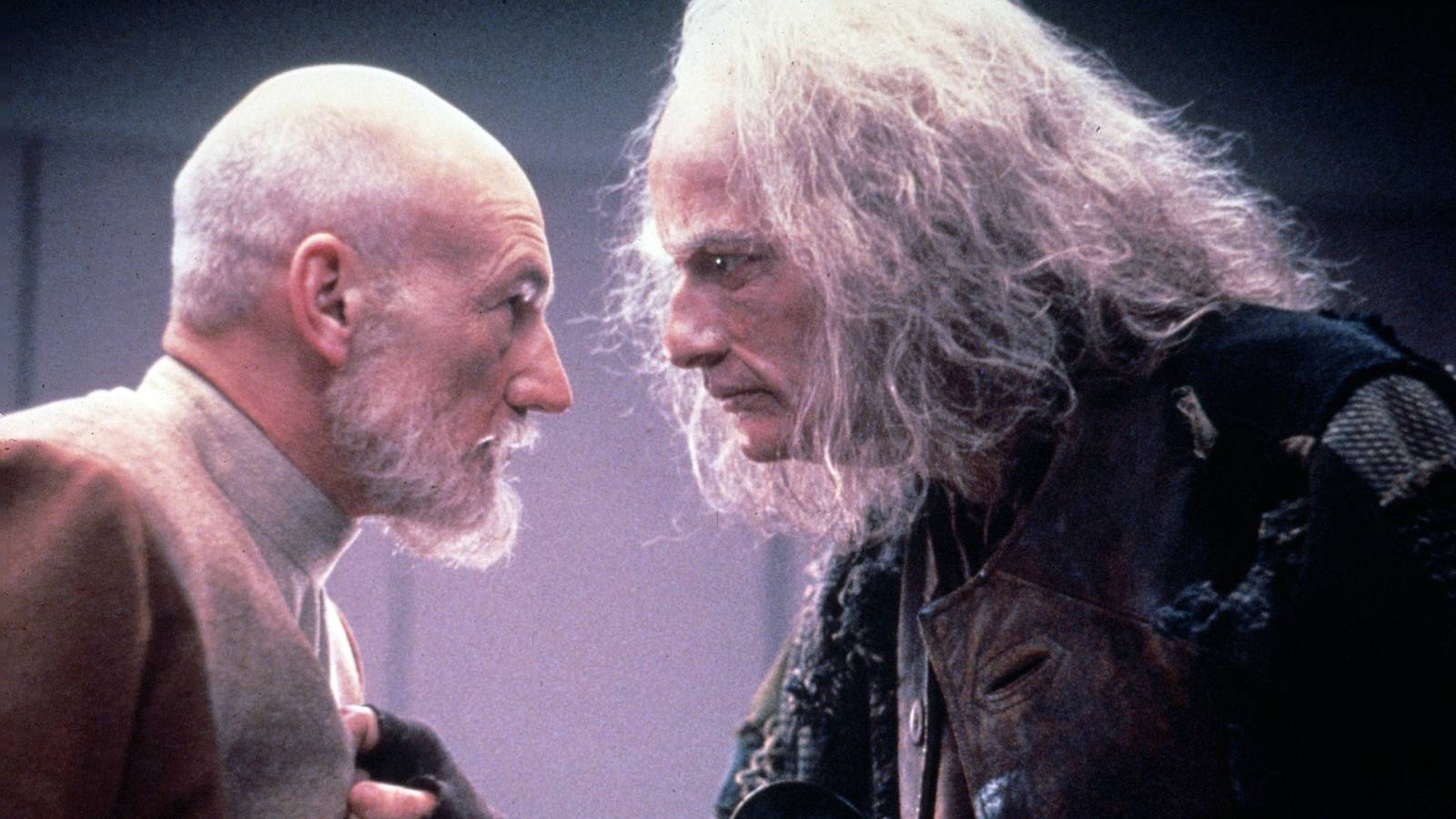
It’s much easier to have an exciting TV pilot than a satisfying finale. After years of building characters, relationships, and storylines, the best TV finales deliver conclusions that honor everything that came before. Unfortunately, even some of the most beloved TV shows have stumbled at the finish line. After six seasons of building an intricate mythology, Lost's series finale prioritized emotional closure over answering many of the island mysteries thatkept audiences invested. Meanwhile, Game of Thrones lost much of its political nuance and increasingly rushed through major storylines after moving beyond George R.R. Martin's published books, culminating in a divisive final season. On the other hand, some finales are instant classics, like Breaking Bad, which delivered a near-perfect conclusion to Walter White's story. However, since the Breaking Bad finale isn't even old enough to drive yet, this list focuses on older shows. For this list, "classic" refers to shows whose cultural significance has endured, rather than a specific era of television. The show's ending must have become even more impressive over time, whether through its storytelling, emotional payoff, or influence on subsequent television. Many of these finales were groundbreaking when they aired, establishing conventions that modern television still follows. Whether they delivered long-awaited closure, subverted expectations, or redefined what a television finale could accomplish, these 10 endings have only gotten better with time. The Fugitive “The Judgment” (1967) Image via MovieStillsDB The two-part finale of The Fugitive helped establish the modern television series finale, with its second installment becoming the most-watched television series episode in history up to that point. At the time, networks didn't fully appreciate the importance of giving audiences a proper sendoff for characters and stories they had spent years investing in. However, The Fugitive demonstrated just how much viewers valued a satisfying conclusion. After four seasons of Dr. Richard Kimble fleeing Lieutenant Gerard while searching for the one-armed man who murdered his wife, the finale finally delivered on the show's original premise. Kimble's innocence was proven, bringing his years on the run to a definitive end. Nearly six decades later, the Fugitive finale has only become more impressive, especially considering the many modern television shows that have struggled to deliver satisfying endings. The Fugitive proved that sometimes the perfect conclusion is simply fulfilling a show's original promise. Star Trek: The Next Generation “All Good Things…” (1994) Image via Everett Collection Q transports Captain Picard between three time periods to investigate a phenomenon threatening to erase humanity from existence in the Star Trek: The Next Generation two-part finale, "All Good Things...". The title invokes the familiar expression "All good things must come to an end," which Q himself uses during the episode. The universally acclaimed finale brings the series full circle by revisiting its pilot, "Encounter at Farpoint," in which Q first puts humanity on trial for its barbaric nature. Seven years later, Picard must once again prove humanity's worth, this time by demonstrating its capacity to evolve beyond conventional thinking. The finale also celebrates the relationships forged over seven seasons, culminating in Picard finally joining his officers' poker game. More than three decades later, "All Good Things..." has aged even better because the subsequent TNG movies never achieved the same consistent acclaim as the television series. The Next Generation finale remains one of the crew's finest adventures. Newhart “The Last Newhart” (1990) Image via Everett Collection Newhart's series finale delivered one of television's most memorable final scenes: a twist revealing that the entire sitcom had been a dream experienced by Dr. Robert Hartley, Bob Newhart's character from The Bob Newhart Show. The earlier series had ended four years before Newhart premiered, making the surprise return of Hartley and his wife Emily (Suzanne Pleshette) especially memorable. Rather than offering a conventional conclusion, the finale recontextualized eight seasons of storytelling with a single joke. Beyond its comedic brilliance, the twist offered an unexpectedly touching reunion of two beloved characters, letting audiences revisit the familiar warmth of Newhart's earlier sitcom. Seeing Bob and Emily together again gave the finale a sense of nostalgia and emotional closure that its absurd premise might otherwise have lacked. Frequently parodied in the decades since, Newhart demonstrated that a sitcom could deliver a satisfying farewell by completely subverting expectations. Cheers “One For The Road” (1993) Image via Everett Collection Cheers' three-part series finale was a massive television event, with NBC estimating that nearly 40% of the U.S. population watched it live. More than 500 people, including several cast members, gathered in Boston to celebrate the beloved sitcom's conclusion. Despite its enormous audience, critics were divided. While some praised its emotional sendoff, others felt the renewed Sam and Diane romance leaned too heavily into melodrama, overshadowing the ensemble humor that made Cheers so beloved. However, the finale's emotional restraint has become easier to appreciate over time. Sam's realization that the bar is his true love reinforces the importance of the makeshift family he has built there. The final moments, with Sam alone in the bar after everyone leaves, are bittersweet rather than tragic. Life goes on, but "One for the Road" was the perfect nightcap. The Shield “Family Meeting” (2008) Image via Everett Collection "Family Meeting," the series finale of The Shield, received widespread acclaim for bringing its morally complex story to a satisfying conclusion. The finale pays off the events of the pilot, in which corrupt detective Vic Mackey murders undercover officer Terry Crowley to prevent him from exposing the Strike Team's crimes. Seven seasons later, Vic once again sacrifices a fellow officer to protect himself. He escapes punishment, but loses his family, his colleagues, and the power that once defined him. Instead of prison, he finds himself trapped behind a desk, a fitting punishment for a man who thrived on bending the rules. What makes the ending so satisfying is that Vic's downfall feels both inevitable and entirely self-inflicted. He survives by betraying everything he once claimed to value, making his victory indistinguishable from defeat. The final moments leave just enough ambiguity about whether Vic can ever truly change. The Mary Tyler Moore Show “The Last Show” (1977) Image via MovieStillsDB The Mary Tyler Moore Show series finale reinforces the groundbreaking premise established in its pilot: a woman choosing independence over marriage. Instead of ending with a wedding, the show delivers a surprising twist when nearly the entire WJM newsroom is fired. Mary realizes that, although she's losing her job, the relationships she's built have given her something more lasting. Her final speech, in which she acknowledges that her coworkers have become her family, reinforces the show's message that fulfillment doesn't have to come from traditional relationships. The emotional group hug, which hilariously turns into a collective shuffle toward a box of tissues, balances humor and heart perfectly. The Emmy-winning episode is one of the best sitcom endings of all time. Although its unconventional ending is less revolutionary today, that's partly a testament to The Mary Tyler Moore Show's influence: what once subverted television conventions has become the standard for meaningful sitcom farewells. Cowboy Bebop “The Real Folk Blues” (1999) The two-part Cowboy Bebop finale, "The Real Folk Blues," has aged beautifully because it refuses to give its protagonist a conventional happy ending. Instead, Spike Spiegel's tragic fate reinforces the anime's central argument: the past cannot be changed, but refusing to move beyond it can destroy the possibility of a future. After a tragic loss, Spike chooses to confront his enemy rather than embrace the found family he has built aboard the Bebop. This decision makes the finale heartbreaking because Spike has finally found somewhere to belong, but cannot recognize it as a reason to keep living. His ambiguous final moments, accompanied by Yoko Kanno's haunting music and Cowboy Bebop's closing message, "You're gonna carry that weight," leave audiences contemplating the cost of his inability to let go. The poorly received 2021 Netflix live-action remake only reinforced how difficult the original's distinctive blend of action, melancholy, and existential storytelling is to recreate. Blackadder Goes Forth “Goodbyeee” (1989) Few sitcom finales have delivered as devastating a tonal shift as Blackadder Goes Forth's "Goodbyeee." Throughout its four series, Blackadder reinvented itself in different historical periods, but the World War I-set final series culminated in something far more devastating than audiences expected from the historical sitcom. After spending the series desperately trying to avoid combat, Blackadder makes one last unsuccessful attempt to escape the trenches by pretending to be insane. Even the usually oblivious Baldrick recognizes the hopelessness of their situation, while the relentlessly cheerful George admits he's frightened. When the order finally comes to advance, Blackadder's sarcastic defenses disappear, replaced by quiet resignation. The soldiers charge into no man's land, and the image fades into a peaceful field of poppies. Rather than abandoning its comedic identity, the finale reveals the humanity beneath its satire, unexpectedly giving audiences one of the bleakest endings in TV history. M*A*S*H “Goodbye, Farewell and Amen” (1983) Image via Everett Collection The two-and-a-half-hour M*A*S*H finale, "Goodbye, Farewell and Amen," was one of the most highly anticipated television events in history. CBS charged $450,000 for a 30-second commercial, more than NBC charged during that year's Super Bowl. As of 2026, M*A*S*H remains the most-watched episode of a TV show in U.S. history. The episode balances the psychological toll of combat with the bittersweet relief of finally going home. After tearful goodbyes, the 4077th goes its separate ways. As Hawkeye departs by helicopter, he discovers B.J.'s farewell message spelled out in stones, a final reminder of the friendships that made an unbearable war survivable. Six Feet Under “Everyone's Waiting” (2005) Image via Everett Collection Six Feet Under’s finale "Everyone's Waiting" is widely considered one of the greatest series endings in television history. The episode opens unlike any other in the HBO drama: not with a death, but with a birth, immediately signaling its shift from confronting mortality to celebrating life. As the Fisher family begins moving forward after Nate's death, their grief gradually gives way to hope and the possibility of new beginnings. This culminates in Claire's departure from Los Angeles, accompanied by an extraordinary montage that reveals how each major character eventually dies. Scratch & Peek Identify the cover art while scratching off as little foil as possible. Rather than undermining their hopeful futures, these glimpses of mortality make every moment of happiness more meaningful. Few finales have achieved such complete narrative and emotional closure while so perfectly encapsulating their show's central themes. More than two decades later, "Everyone's Waiting" remains the gold standard for TV endings.
10 Classic TV Finales That Have Aged Like Fine Wine
Full Article
Original Source
Read the full article at Screenrant →KhanList aggregates and links to publicly available news content. We do not host full articles from third-party sources. Always verify important information with original sources.