
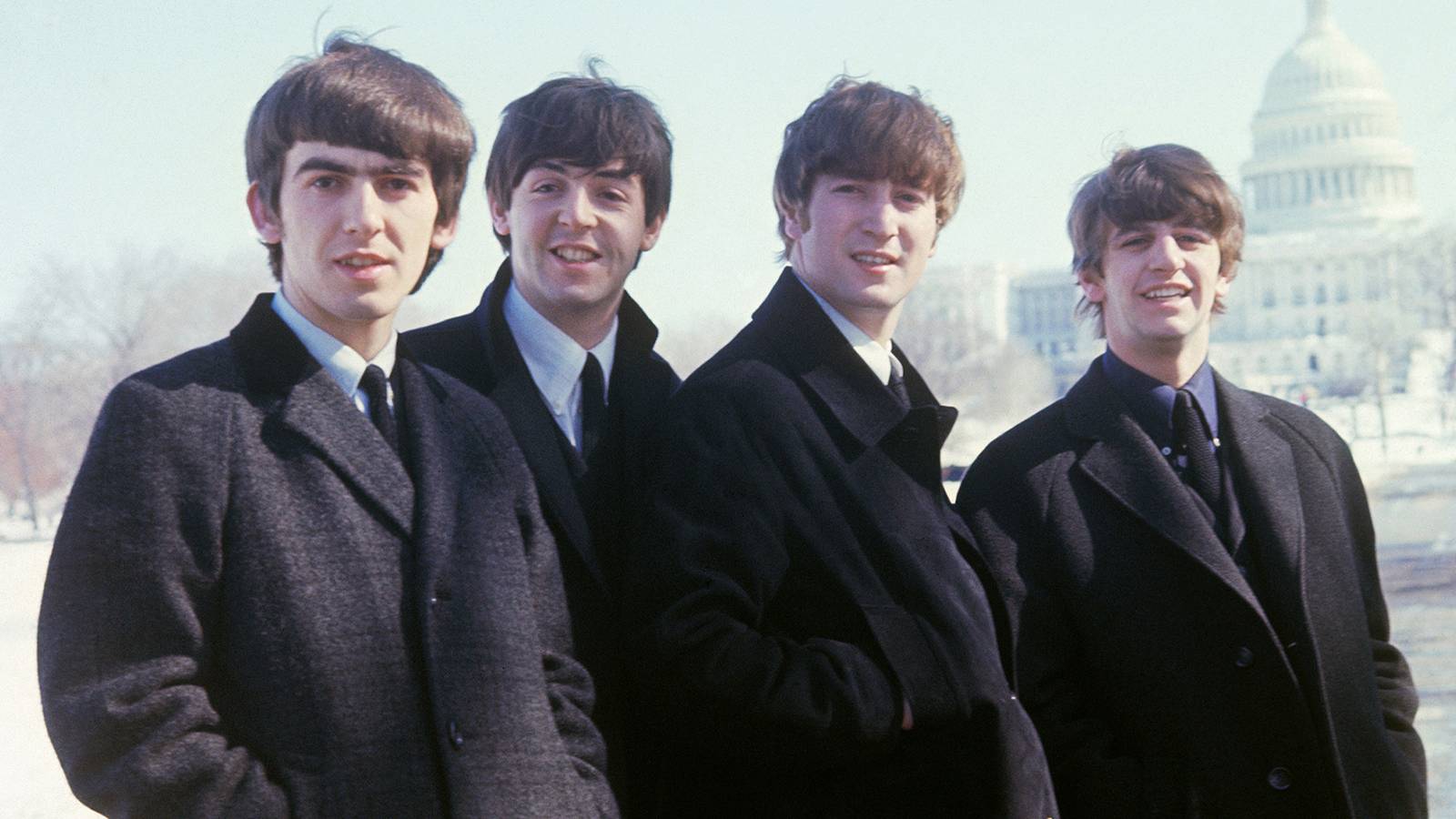
Published Sep 3, 2026, 4:54 PM EDT Dyah (pronounced Dee-yah) is a Senior Author at Collider, responsible for both writing and transcription duties. She joined the website in 2022 as a Resource Writer before stepping into her current role in April 2023. As a Senior Author, she writes Features and Lists covering TV, music, and movies, making her a true Jill of all trades. In addition to her writing, Dyah also serves as an interview transcriber, primarily for events such as San Diego Comic-Con, the Toronto International Film Festival, and the Sundance Film Festival. Dyah graduated from Satya Wacana Christian University in October 2019 with a Bachelor's degree in English Literature, concentrating on Creative Writing. She is currently completing her Master's degree in English Literature Studies, with a thesis on intersectionality in postcolonial-feminist studies in Asian literary works, and is expected to graduate in 2026. Born and raised between Indonesia and Singapore, Dyah is no stranger to different cultures. She now resides in the small town of Kendal with her husband and four cats, where she spends her free time cooking or cycling. Rock and roll has stood the test of time, but some of its songs clearly haven’t aged quite as well. Classic rock bands are known for their enduring discographies, but quantity doesn’t always equal quality. Some songs have stuck out like a sore thumb over the years, whether because of questionable lyrics, outdated ideas, or messages that simply don’t resonate with modern audiences. That doesn’t necessarily mean these songs have disappeared. Many remain fan favorites, played on the radio and celebrated decades after their release. But listening to them today can reveal just how many times have changed. From inappropriate comments about women to satirizing a beloved genre, these are 10 classic rock songs that have aged like milk. 10 "Money for Nothing" by Dire Straits (1985) “Money for Nothing” by Dire Straits is a full-blown commentary on the ’80s music industry, which was teetering on the edge of hedonism. Sung from the perspective of a blue-collar hardware store worker, the narrator complains that musicians seem to make a fortune from what he sees as an “easy” job. However, throwing a homophobic slur into the song wouldn’t fly as easily today, especially since it is the same slur used in Green Day’s “American Idiot.” Even when used with cruel irony, the word remains difficult to separate from its offensive meaning. Considering that Dire Straits were musicians themselves, the song’s satire depends on reproducing the very homophobic language it appears to criticize. 9 "Run for Your Life" by The Beatles (1965) Nothing gets the gears grinding quite like an opening line such as, “Well, I’d rather see you dead, little girl.” “Run for Your Life” by The Beatles is a disturbing portrait of intense jealousy and rage. The narrator openly admits he is a “wicked guy” with a “jealous mind” and warns that one wrong move could get her in serious trouble with him. The John Lennon-Paul McCartney collaboration is easily one of the Beatles’ worst tracks because of its blatant misogyny. Unfortunately, it isn’t the only Beatles song to carry such sentiments, with tracks like “I’ll Cry Instead” and “You Can’t Do That” expressing similarly troubling attitudes toward women. 8 "Brown Sugar" by The Rolling Stones (1971) Writing a song about slavery, especially from a white musician's perspective, should never be a thing. And yet, it's exactly what The Rolling Stones did with "Brown Sugar." When a song has an opening line like, "Gold Coast slave ship bound for cotton fields," followed by a vivid depiction of how slavery is conducted, it's a hot mess. The singer uses the title itself to refer to Black people, describing them as "tasting so good," just "like a young girl should," which inappropriately sexualizes these women. In 1995, Jagger admitted that he "would never write that song now," and in 2021, the band officially dropped "Brown Sugar" from their setlist. 7 "Sick Again" by Led Zeppelin (1975) On the few occasions when Robert Plant isn't inspired by the fantasy genre to write his tunes, the Led Zeppelin frontman doubles down on gritty realism with a song like "Sick Again." It draws from Plant's observations of the band's young female followers, whom he described as "young chicks" who "bungle their lives away in a flurry." "Sick Again" is a cautionary tale about the consequences of sex for fame. However, it also comes across as demonizing these young women, particularly because the groupies it depicts are still underage. Rather than simply criticizing the pursuit of fame, the lyrics stereotype them as if all they want is to have sex with a male band member. 6 "One Way or Another" by Blondie (1978) The upbeatness of Blondie's "One Way or Another" gives off a false impression, so much so that the peppy One Direction even covered it for charity in 2013. In reality, the song was inspired by Debbie Harry's true experience with a stalker. Several years after it was written, Harry revealed that she was almost even kidnapped by serial killer Ted Bundy. The song's lighthearted tempo masks such a dark concept. In a way, it seems like a survival mechanism for coping with such a traumatic incident. But even without Harry's personal context, the instances of stalking in the choruses aren't meant to be taken cheekily. 5 "Lola" by The Kinks (1970) Rumor has it that The Kinks’ “Lola” was inspired by their manager’s experience at a nightclub, where he danced with someone he thought was a woman. Released in 1970, “Lola” definitely broke the ice around the presence of transgender people and crossdressers in popular music. But the song’s perspective can also feel like it’s making fun of the whole situation. There’s a playful excitement in “Lola” about falling for someone you least expect, but it also treats gender ambiguity as a way to spice up someone’s love life. Lola herself isn’t given much depth beyond being an object of attraction and surprise, which makes the song’s representation feel more oversimplified than progressive. 4 "Hey Joe" by The Jimi Hendrix Experience (1966) Sensationalizing shooting someone, as “Hey Joe” does, isn’t exactly the wisest creative choice in today’s era. With debates over gun ownership reaching a boiling point in recent years, a song about shooting your unfaithful wife before escaping to Mexico can feel especially uncomfortable. Apart from the song’s subject matter, its behind-the-scenes history is just as problematic. Although popularized by The Jimi Hendrix Experience, the authorship of “Hey Joe” has long been debated. Originally a 1960s folk staple, the song has been claimed by several writers, from Billy Roberts to Dino Valenti. Its murky origins only add another layer of controversy to an already troubling song. 3 "Aqualung" by Jethro Tull (1971) Jethro Tull’s “Aqualung” paints a bleak portrait of homelessness through its titular character: a man who eyes underage girls, picks cigarette butts off the ground, and seeks shelter from the Salvation Army. The song shows the physical hardship of homelessness, particularly the experience of enduring winter while being treated with contempt. Yet the song's commentary is complicated by the way Aqualung himself is portrayed. By associating homelessness with predatory behavior and filth, the song reinforces the very dehumanization it appears to condemn. Instead of showing homelessness solely as a social condition, it blurs the line between circumstance and character, making Aqualung seem inherently other. 2 "D'yer Mak'er" by Led Zeppelin (1973) Some songs should’ve stayed as studio jokes. But for Led Zeppelin’s “D’yer Mak’er,” the idea actually came to fruition as a legitimate release. The title is commonly mistaken for “Dire Maker,” but it’s actually a wordplay on “Jamaica,” a pun that early listeners didn’t seem to understand. The song is an attempt to replicate reggae and dub without fully committing to either genre. At times, it even sounds like a satire of the style, which might not rub off well with fans of reggae. Then again, Led Zeppelin initially tinkered with the song as an afterthought during rehearsals. It’s definitely a sore thumb amid the band’s otherwise classic rock-dominant sound. 1 "Every Breath You Take" by The Police (1983) "Every Breath You Take" by The Police might have reached number one on the Billboard charts, but its timelessness is also attributed to the fact that it's still a popular wedding song to this day. Which is exactly the opposite of what people should be playing after exchanging "I dos," because the song is actually a sinister tune about stalking. Mirroring real life, "Every Breath You Take" was written during Sting's divorce from his first wife. Although it's often mistaken for a strong declaration of love, the song reveals a darker misconception of how love can become associated with possessiveness. Real lovers shouldn't have to watch their partner's every move.
10 Classic Rock Songs That Have Aged Like Milk
Full Article
Original Source
Read the full article at Collider →KhanList aggregates and links to publicly available news content. We do not host full articles from third-party sources. Always verify important information with original sources.