
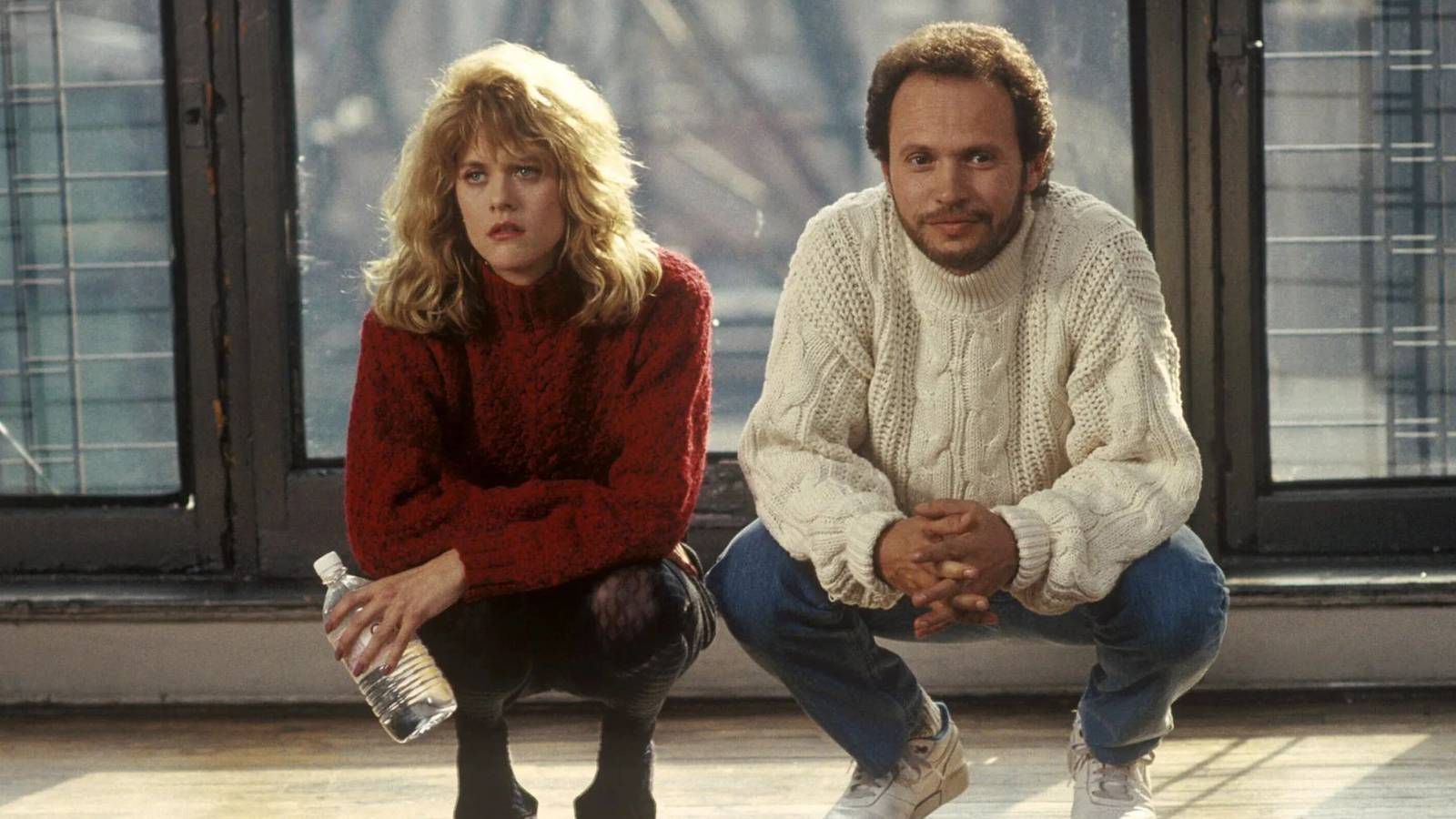
Image via Columbia Pictures Published Aug 26, 2026, 7:17 AM EDT Melissa enjoys watching shows and movies so much that all she wants to do is write about them. She is an avid lover of Marvel, Star Wars, and Disney. Sign in to your Collider account Comedy has always been a vital part of our culture, with classics spanning decades and even centuries. These classics have paved the way for some of the most successful and entertaining movies of all time. While many classic comedies feel timeless, some only get better with age. From The Princess Bride to Step Brothers, these movies have a unique ability to make us laugh while remaining relevant and enjoyable to watch today. These timeless classic comedies have stood the test of time, entertaining audiences for generations and remaining relevant even as society and culture change. They offer a much-needed escape and a reminder that laughter truly is the best medicine. 10 'Ghostbusters' (1984) Image via Columbia Pictures A group of scientists — Peter Venkman, Ray Stantz, and Egon Spengler — start a ghost-catching business in New York City to wage a high-tech battle with the supernatural for money. Finding a gateway to another dimension, they must save their home from complete destruction. As an absolute classic, Ghostbusters leads the comedy genre with awesome nostalgic fun and groundbreaking special effects. Although it has its comedic charm, there is a slight element of ghostly spookiness that keeps your eyes glued to the screen. The hilarious performances by Billy Murray and Ernie Hudson provide very likable characters that spew out iconic one-liners that still hold up to this day. 9 'Dumb and Dumber' (1994) Image via New Line Cinema In Dumb and Dumber, two dim-witted best friends, Lloyd Christmas (Jim Carrey) and Harry Dunne (Jeff Daniels), find a suitcase full of money that was left behind by one of their fares, Mary Swanson (Lauren Holly). Unaware of Swanson's involvement in a kidnapping, they decide to go on a road trip to return the suitcase to her and deal with the dangers that come along with it. This slapstick comedy features over-the-top physical humor that makes it simply too difficult not to laugh. Whether life is awesome or difficult, this movie is sure to get a laugh out of you. Its memorable soundtrack and quotable lines have complemented the movie so well, it's considered a true cult classic. No matter how many times its viewers rewatch this comedy movie, they will never get tired of it. 8 'Groundhog Day' (1993) Image via Columbia Pictures A cynical weather forecaster, Phil Connors (Bill Murray), covers the Annual Groundhog Day in Pennsylvania. He suddenly finds himself stuck in a time warp after getting caught in a blizzard he couldn't predict. He relives the same day over and over again until he does the right thing. Groundhog Day is loved for its original concept of giving a fresh new take on a fantasy movie. Its good old-fashioned love story brings the movie to life with hidden meanings. The brilliant exploration of personal growth and dry humor makes this an instant classic. With outstanding performances by Murray and Andie MacDowell, it's no wonder people of all ages enjoy it. 7 'Dr. Strangelove or: How I Learned to Stop Worrying and Love the Bomb' (1964) Image via Columbia Pictures Dr. Strangelove is a political satire that explores the absurdity of the Cold War's arms race. It follows a United States Air Force general who, out of nowhere, decides to order a preemptive nuclear attack on the Soviet Union for the communists conspiring against the American people. Meanwhile, the President of the United States and his advisors are attempting to stop it from starting a nuclear war. Loosely based on Peter George's thriller novel, Red Alert, it is often considered one of the best comedies and satire ever made. As time passes, this comedy has become a breakthrough for the entire movie industry, given its quirky visual effects and sensational script. It features brilliant performances by Peter Sellers, George C. Scott, and Slim Pickens, and remains a biting commentary on the dangers of nuclear war. 6 'Airplane!' (1980) Image via Paramount Pictures A spoof of the disaster movie, Zero Hour!, Airplane! follows the same plot, characters, and a little of the dialogue. Ted Striker (Robert Hays), an ex-fighter pilot, follows his ex-girlfriend, Elaine Dickinson (Julie Hagerty), during her first shift as a flight attendant. When the flight crew and some passengers become ill from food poisoning, Striker must safely land the plane. Known for its use of surreal humor and reinvention of a comedy sub-genre, this movie takes shots at other disaster movies released in the 1970s. It features a hilarious ensemble cast that makes the plot seem less important than the jokes spewed out. It's a non-stop barrage of sight gags and one-liners that remains a classic of the genre. Collider Exclusive · Oscar Best Picture Quiz Which Oscar Best PictureIs Your Perfect Movie? Parasite · Everything Everywhere · Oppenheimer · Birdman · No Country Five Oscar Best Picture winners. Five completely different visions of what cinema can be — and what it can do to you. One of them is the film that was made for the way your mind works. Ten questions will figure out which one. 🪜Parasite 🌀Everything Everywhere ☢️Oppenheimer 🐦Birdman 🪙No Country for Old Men FIND YOUR FILM → 01 What kind of film experience do you actually want? The best movies don't just entertain — they leave something behind. ASomething that pulls the rug out — that makes me think I'm watching one kind of film and then reveals I'm watching another entirely. BSomething overwhelming — funny, sad, absurd, and genuinely moving, all at once. CSomething grand and weighty — a film that makes me feel the full scale of what I'm watching. DSomething formally daring — a film that pushes what cinema can even do. ESomething lean and relentless — pure tension with no wasted frame. NEXT QUESTION → 02 Which idea grabs you most in a film? Great films are driven by a central obsession. What's yours? AClass, inequality, and what people are willing to do when desperation meets opportunity. BIdentity, family, and the chaos of trying to hold your life together when everything is falling apart. CGenius, moral responsibility, and the catastrophic weight of a decision you can never take back. DEgo, legacy, and the terror of becoming irrelevant while you're still alive to watch it happen. EEvil, chance, and whether moral order actually exists or if we just tell ourselves it does. NEXT QUESTION → 03 How do you like your story told? Form is content. The way a story is shaped changes what it means. AGenre-twisting — I want it to start in one lane and migrate into something completely different. BMaximalist and genre-blending — comedy, action, drama, sci-fi, all in one ride. CEpic and non-linear — cutting between timelines, building a mosaic of cause and consequence. DA single unbroken flow — I want to feel like I'm living it in real time, no cuts to safety. ESpare and precise — every scene doing exactly what it needs to do and nothing more. NEXT QUESTION → 04 What makes a truly great antagonist? The opposition defines the protagonist. What kind of opposition fascinates you? AA system — invisible, structural, and almost impossible to fight because it has no single face. BThe self — the ways we sabotage, abandon, and fail the people we love most. CHistory — the unstoppable momentum of events that no single person can stop or redirect. DThe industry — the machinery of culture that chews up talent and spits out irrelevance. EPure, implacable evil — a force so certain of itself it becomes almost philosophical. NEXT QUESTION → 05 What do you want from a film's ending? The final note is the one that lingers. What do you want it to sound like? AShock and inevitability — a conclusion that recontextualises everything that came before it. BEarned emotion — I want to cry, laugh, and feel genuinely hopeful, even if the world is a mess. CDevastation and grandeur — an ending that makes me sit in silence for a few minutes after. DAmbiguity — something that leaves enough open that I'm still thinking about it days later. EBleakness — an honest refusal to pretend the world is tidier than it actually is. NEXT QUESTION → 06 Which setting pulls you in most? Where a film takes place shapes everything — mood, stakes, what's even possible. AA gleaming modern city with a hidden underside — beauty masking rot, wealth masking desperation. BA collapsing suburban life that opens onto something infinite — the multiverse of a single ordinary person. CThe corridors of power and science at a world-historical turning point — where decisions echo for decades. DThe grimy, alive chaos of New York and Hollywood — fame as both destination and trap. EVast, indifferent landscape — desert and highway where violence arrives without warning or reason. NEXT QUESTION → 07 What cinematic craft impresses you most? Every great film has a signature — a technical or artistic element that makes it unmistakable. AProduction design and mise-en-scène — every frame composed to carry meaning beneath the surface. BEditing and tonal control — the ability to move between registers without losing the audience. CScore and sound design — music that becomes inseparable from the dread and awe of what you're watching. DCinematography as performance — the camera not recording events but participating in them. ESilence and restraint — what's left unsaid and unshown doing more work than any dialogue could. NEXT QUESTION → 08 What kind of main character do you root for? The protagonist is the lens. Who you choose to follow says something about you. ASomeone smart and resourceful who makes increasingly dangerous decisions under pressure. BSomeone overwhelmed and ordinary who turns out to be capable of something extraordinary. CA brilliant, tortured figure whose gifts and flaws are inseparable from each other. DA self-destructive artist whose ego is both their superpower and their undoing. EA quiet, principled person trying to make sense of a world that has stopped making sense. NEXT QUESTION → 09 How do you feel about a film that takes its time? Pace is a choice. Some films sprint; others let tension accumulate slowly, deliberately. AI love a slow build when I know the payoff is going to be seismic — patience for a devastating reveal. BGive me relentless momentum — I want to feel breathless and emotionally spent by the end. CEpic runtime doesn't scare me — if the material demands three hours, give me three hours. DI want it to feel propulsive even when nothing is technically happening — restless energy throughout. EDeliberate and unhurried — I want dread to accumulate in the spaces between the action. NEXT QUESTION → 10 What do you want to feel walking out of the cinema? The best films leave a mark. What kind of mark do you want? AUnsettled — like I've just seen something I can't fully explain but can't stop thinking about. BMoved and energised — like the film reminded me what actually matters and gave me something to hold onto. CHumbled — like I've been in the presence of something genuinely important and overwhelming. DExhilarated — like I've just seen cinema doing something it's never quite done before. EHaunted — like a cold, quiet dread that stays with me for days. REVEAL MY FILM → The Academy Has Decided Your Perfect Film Is…Your answers have pointed to one Oscar Best Picture winner above all others. This is the film that was made for the way your mind works. ParasiteYou are drawn to films that operate on multiple levels simultaneously — that begin in one genre and quietly, brilliantly migrate into another. Bong Joon-ho's Parasite is a film about class, desire, and the architecture of inequality that manages to be darkly funny, deeply suspenseful, and genuinely shocking across a single extraordinary running time. Your instinct is for cinema that hides its true intentions until the moment it's ready to reveal them. Parasite is exactly that — a film that rewards close attention and punishes assumptions, right up to its devastating final image. Everything Everywhere All at OnceYou want it all — and this film gives you all of it. The Daniels' Everything Everywhere All at Once is one of the most maximalist films ever made: action comedy, multiverse sci-fi, family drama, existential crisis, and a genuinely earned emotional core that sneaks up on you amid the chaos. You are someone who responds to ambition, who doesn't want cinema to choose between being entertaining and being meaningful. This film refuses that choice entirely. It is overwhelming by design, and its overwhelming nature is precisely the point — because the feeling of being crushed by infinite possibility is exactly what it's about. OppenheimerYou are drawn to cinema on a grand scale — films that understand history not as a backdrop but as a force, and that place their characters inside that force and watch what happens. Christopher Nolan's Oppenheimer is a film about the terrifying gap between what we can do and what we should do, told with the full weight of one of the most consequential moments in human history behind it. You want your films to feel important without feeling self-important — to earn their ambition through sheer craft and the gravity of their subject. Oppenheimer does exactly that. It is enormous, complicated, and refuses easy comfort. BirdmanYou are drawn to films that foreground their own construction — that make the how of the filmmaking part of the what it's about. Alejandro González Iñárritu's Birdman, shot to appear as a single continuous take, is cinema examining itself through the cracked mirror of a fading actor's ego. You respond to formal daring, to the feeling that a film is doing something that probably shouldn't be possible. Michael Keaton's performance and Emmanuel Lubezki's restless camera create something genuinely unlike anything else — a film that is simultaneously about creativity, relevance, self-destruction, and the impossibility of ever truly knowing if your work means anything at all. No Country for Old MenYou are drawn to cinema that trusts silence, that refuses to explain itself, and that treats dread as a form of meaning. The Coen Brothers' No Country for Old Men is a film about the arrival of a new kind of evil — implacable, arbitrary, and utterly indifferent to the moral frameworks we use to make sense of the world. It is one of the most formally controlled films ever made, and its controlled restraint is what makes it so terrifying. You want your films to haunt you, not comfort you. You are not interested in resolution if resolution would be dishonest. No Country for Old Men is honest in a way that most cinema never dares to be. ↻ RETAKE THE QUIZ 5 'The Big Lebowski' (1998) Image via Gramercy Pictures The Big Lebowski is a crime comedy that follows Jeffrey "The Dude" Lebowski (Jeff Bridges), a Los Angeles slacker and avid bowler, as he is assaulted due to mistaken identity of the millionaire of the same name. The millionaire hires The Dude to deliver the ransom for his kidnapped trophy wife. Plans go wrong when the Dude's friend, Walter Sobchak, wants to keep the money for himself. Loosely inspired by the work of Raymond Chandler, this genre-defying comedy takes weird to another level. Over time, its eccentric characters, comedic dream sequences, and eclectic soundtrack have contributed to its now cult-favorite status. Attention to this fast-paced story is a necessity in order to not miss The Big Lebowski's best quotes and keen details. 4 'The Princess Bride' (1987) Image via 20th Century Studios Adapted from William Goldman's novel of the same name, The Princess Bride follows a swashbuckling farmhand, Westly (Cary Elwes), who goes on a mission with people he met along the way to rescue his true love, Princess Buttercup (Robin Wright), from the odious Prince Humperdinck (Chris Sarandon). As one of Rob Reiner's best works, this postmodern fairy tale preserves the narrative style of a grandfather reading the tale to his sick grandson. It tells a heart-wrenching romance story that transcends expectations through timeless storytelling and memorable performances by an all-star cast. The idea of a cult classic stands strong since the beginning of its initial release. 3 'Step Brothers' (2008) Image via Sony Pictures Releasing Two middle-aged men, Brennan (Will Ferrell) and Dale (John C. Reilly), are forced to live together as stepbrothers when their parents decide to get married in Step Brothers. The two brothers despised one another with all their being, which caused their parents to break off the marriage. Feeling terrible, the men force themselves to get along in order to reunite their parents. Its outrageous humor, memorable quotes, and a hilarious supporting cast seal the deal on this comedy classic. Although this absurd buddy comedy is rated generally poorly, many of its viewers can't help but recommend it to their friends. Its premise is able to stand on its own, especially with Ferrell and Reilly's outstanding onscreen chemistry. 2 'When Harry Met Sally' (1989) Image via Columbia Pictures In 1977, Harry Burns (Billy Crystal) and Sally Albright (Meg Ryan) go on a cross-country drive together from Chicago to New York and bring up the question of whether men and women can simply stay as platonic friends. Ten years later, they meet again in a bookstore as they begin to explore staying as friends without sex becoming an issue. When Harry Met Sally is a classic romantic comedy that's considered the ideal New Year's celebration movie that explores whether men and women can be friends without falling in love, but never answers. As one of the most realistic movies, the banter and endearing performances add to its charm. It has become a classic of the genre and remains just as entertaining today as it was when it was first released. 1 'Some Like It Hot' (1959) Image via United Artists This beloved comedy from director Billy Wilder follows two male jazz musicians, Joe (Tony Curtis) and Jerry (Jack Lemmon), who witness a mob hit by Spats and his gang. Forced to go into hiding, the two decide to disguise themselves as women named Josephine and Daphne in order to join the all-female band, Sweet Sue and her Society Syncopators alongside Sugar (Marilyn Monroe). Arguably one of the greatest comedy movies, Some Like It Hot is a masterclass in comedic timing and features brilliant performances by the cast. The movie's witty dialogue and clever plot twists make it a timeless classic that is still hilarious today. As the years pass, it hasn't lost its comedic touch and still manages to be a brilliant cinematic experience. Some Like It Hot Release Date March 19, 1959 Runtime 123 minutes Cast Jack Lemmon Jerry (Daphne) Tony Curtis Joe (Josephine)
10 Classic Comedy Movies That Get Better With Age
Full Article
Original Source
Read the full article at Collider →KhanList aggregates and links to publicly available news content. We do not host full articles from third-party sources. Always verify important information with original sources.