
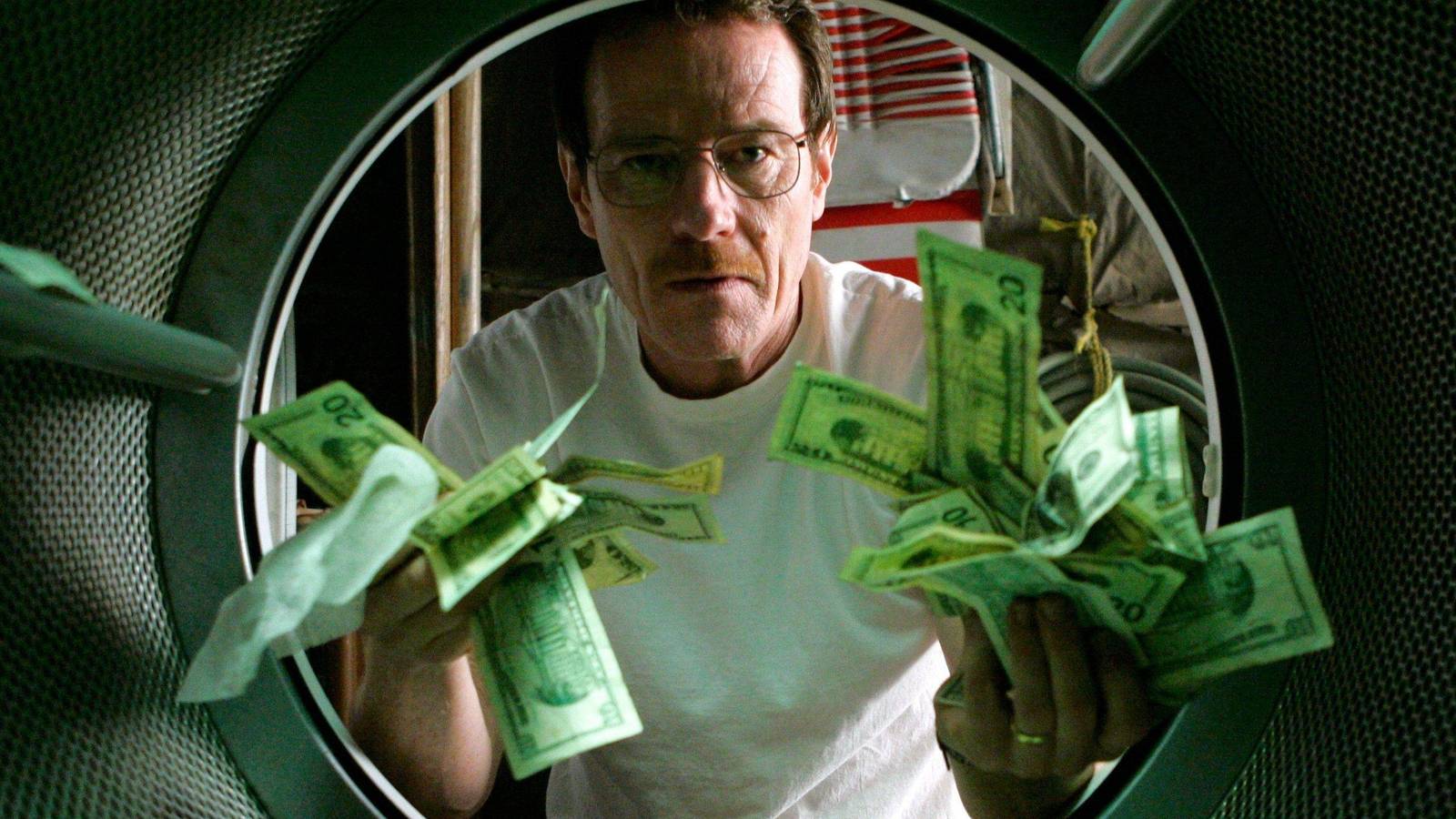
Published Sep 27, 2026, 1:00 PM EDT Ben Sherlock is a Tomatometer-approved film and TV critic who runs the massively underrated YouTube channel I Got Touched at the Cinema. Before working at Screen Rant, Ben wrote for Game Rant, Taste of Cinema, Comic Book Resources, and BabbleTop. He's also an indie filmmaker, a standup comedian, and an alumnus of the School of Rock. Ryan Murphy and Taylor Sheridan might have a higher output rate, but Vince Gilligan is the most consistent and reliable showrunner in Hollywood. Gilligan has only created three TV shows over the past two decades, but all three of them rank among the greatest, most profound, most fiercely original TV shows ever made. Breaking Bad, Better Call Saul, and Pluribus are all groundbreaking masterpieces in their own way — as was The X-Files, where Gilligan cut his teeth as a staff writer — but Gilligan has only recently gotten his due recognition from Emmy voters. Gilligan won Outstanding Drama Series twice for the two halves of Breaking Bad’s final season, and he won a couple of niche short-form categories for the Better Call Saul Employee Training videos. But, despite working on classic episodes of The X-Files, Breaking Bad, and Better Call Saul, the Pluribus pilot marks the first time he’s won Outstanding Writing for a Drama Series. He was only nominated twice before, for the Breaking Bad finale and the fan-favorite X-Files episode “Memento Mori,” but he should arguably have 10 Emmys for writing 10 of the greatest TV episodes of all time. 10 Uno Better Call Saul Season 1, Episode 1 (co-written with Peter Gould) The pilot episode of Better Call Saul faced the insurmountable challenge of following up Breaking Bad’s nail-biting final season. Since it had to set up a new series, it slowed the pace down to a halt. While Jimmy would eventually become a cartel lawyer, he started off as a lowly public defender. Better Call Saul’s first episode had everything working against it, and yet it deftly stuck the landing. From the post-Breaking Bad cold open to the shocking Tuco cameo in the cliffhanger, this was a perfect start to the spinoff. It had just the right amount of fan service while establishing all the key relationships in Jimmy’s life. 9 Pirate Lady Pluribus Season 1, Episode 2 Gilligan won the Emmy for writing Pluribus’ first episode, but he also wrote its second episode — “Pirate Lady” — and that was just as great. The first episode had to set up the premise, but the second episode had a much bigger challenge: it had to establish how this premise would work as an ongoing series. It set up a supporting cast with the other immune people, it elaborated on how the hive mind would interact with the leftovers, and it solidified the show’s impressive scope with globetrotting locations and a jaunt on Air Force One. “Pirate Lady” was a solid sophomore outing. 8 Pilot Breaking Bad Season 1, Episode 1 Everyone who wants to write a TV pilot should study Gilligan’s pilot script for Breaking Bad. It’s a masterclass in how to set up a series, racing through all the key plot points without ever feeling rushed or losing sight of the emotions motivating each twist and turn. Breaking Bad’s first episode quickly immerses us in the criminal underworld of Albuquerque and sets Mr. Chips off on the road to becoming Scarface. Gilligan ingeniously opened in media res, with Walter White crashing an RV in the desert and preparing for an armed standoff with police, so when we go back and see Walt’s mundane life, we’re hooked; we can’t wait to see how point A leads to point B. 7 Klick Better Call Saul Season 2, Episode 10 (co-written with Heather Marion) Gilligan was less involved in the writing of Better Call Saul than he was with Breaking Bad — his co-creator Peter Gould took the reins for most of the spinoff’s run — but he was involved in a couple of key episodes. He co-wrote the season 2 finale, “Klick,” which proved to be a veritable thrill-ride from start to finish. It opens with Chuck being rushed to hospital after taking a nasty bump to the head at the copy store, and it maintains that level of intensity to the end. “Klick” ends with one of Better Call Saul’s best twists: Chuck tricking Jimmy into confessing to his crime on tape, setting up their epic showdown in season 3. 6 Full Measure Breaking Bad Season 3, Episode 13 Breaking Bad’s season 3 finale sees Jesse rushing to kill Gale so that Gus won’t be able to kill Walt. It’s a riveting race against time, but it’s also a heartbreaking window into Walt and Jesse’s toxic relationship. It shows just how far Walt is willing to push Jesse, and just how much all this violence is starting to affect Jesse’s psyche. It’s what sets Breaking Bad apart: it has lots of action and thrills, but there’s always some deeper drama going on under the surface. 5 Drive The X-Files Season 6, Episode 2 When Gilligan wrote Breaking Bad, he already knew who the perfect casting for Walter White would be, because he’d previously written an X-Files episode that guest-starred Bryan Cranston. In “Drive,” Cranston plays a man who has to keep moving at high speeds or he’ll die. It’s a simple setup, with a great hook, but it’s ultimately a character piece. It’s the kind of story that would later make Gilligan so iconic: a twisted tale about a monstrous man doing bad things out of desperation. 4 Face Off Breaking Bad Season 4, Episode 13 Breaking Bad’s season 4 finale had to pay off two seasons’ worth of buildup, as Walt’s rivalry with Gus Fring came to a head, and Gilligan made it look easy. Not only did Gus meet an exhilarating end; Walt stooped to new lows just to beat him. Between Gus foiling Walt’s attempts on his life to Jesse struggling to pick a side, this entire episode is thrilling. But it’s the final stinger, where we find out that Walt did, in fact, poison a child to manipulate Jesse, that solidified it as a classic. 3 We Is Us Pluribus Season 1, Episode 1 Gilligan finally won his first writing Emmy for Pluribus’ pilot episode. “We is Us” is one of the most incredible series premieres of the past decade. It sets up Carol Sturka as a fascinating character worth following, and it immerses us in this strangely benevolent vision of an alien invasion. Pluribus would get into the ethics and philosophy of the hive mind in its subsequent episodes, but the pilot is a white-knuckle thrill-ride. It feels like a classic Twilight Zone episode: we follow an ordinary protagonist as she slowly realizes everyone else is acting differently, and all is not what it seems. 2 Waterworks Better Call Saul Season 6, Episode 12 Gould handled the final episode of Better Call Saul (and absolutely nailed it), but Gilligan wrote and directed the second-to-last one, “Waterworks.” This is one of Saul’s most emotional episodes; as it shows us the miserable existence that Kim has built for herself as a kind of self-exile, the episode plays like a standalone black-and-white drama. All the storytelling in this episode is internal: the guilt weighs on Kim so much that she eventually goes back to Albuquerque to confess to Howard’s widow. And then, in one of Saul’s most powerful moments, she breaks down crying on a public bus. 1 Felina Breaking Bad Season 5, Episode 16 It’s almost impossible to end a TV series in a satisfying way — especially a series like Breaking Bad that’s been careening toward its explosive climax from the very beginning — but Gilligan came up with the perfect ending for the saga of Walter White. Breaking Bad’s final episode has all the violent carnage we were hoping for, but it never loses sight of the denouement of Walt’s emotional journey. It’s cathartic to see him mow down Uncle Jack’s gang and save Jesse, but it’s bittersweet to see him take one last stroll through a meth lab. Walt gets a poignant final moment with all the key characters, from Skyler to Jesse to Walter, Jr. (from afar), as Gilligan puts the final brushstroke on his masterpiece.
10 Best TV Episodes Written By Vince Gilligan
Full Article
Original Source
Read the full article at Screenrant →KhanList aggregates and links to publicly available news content. We do not host full articles from third-party sources. Always verify important information with original sources.