
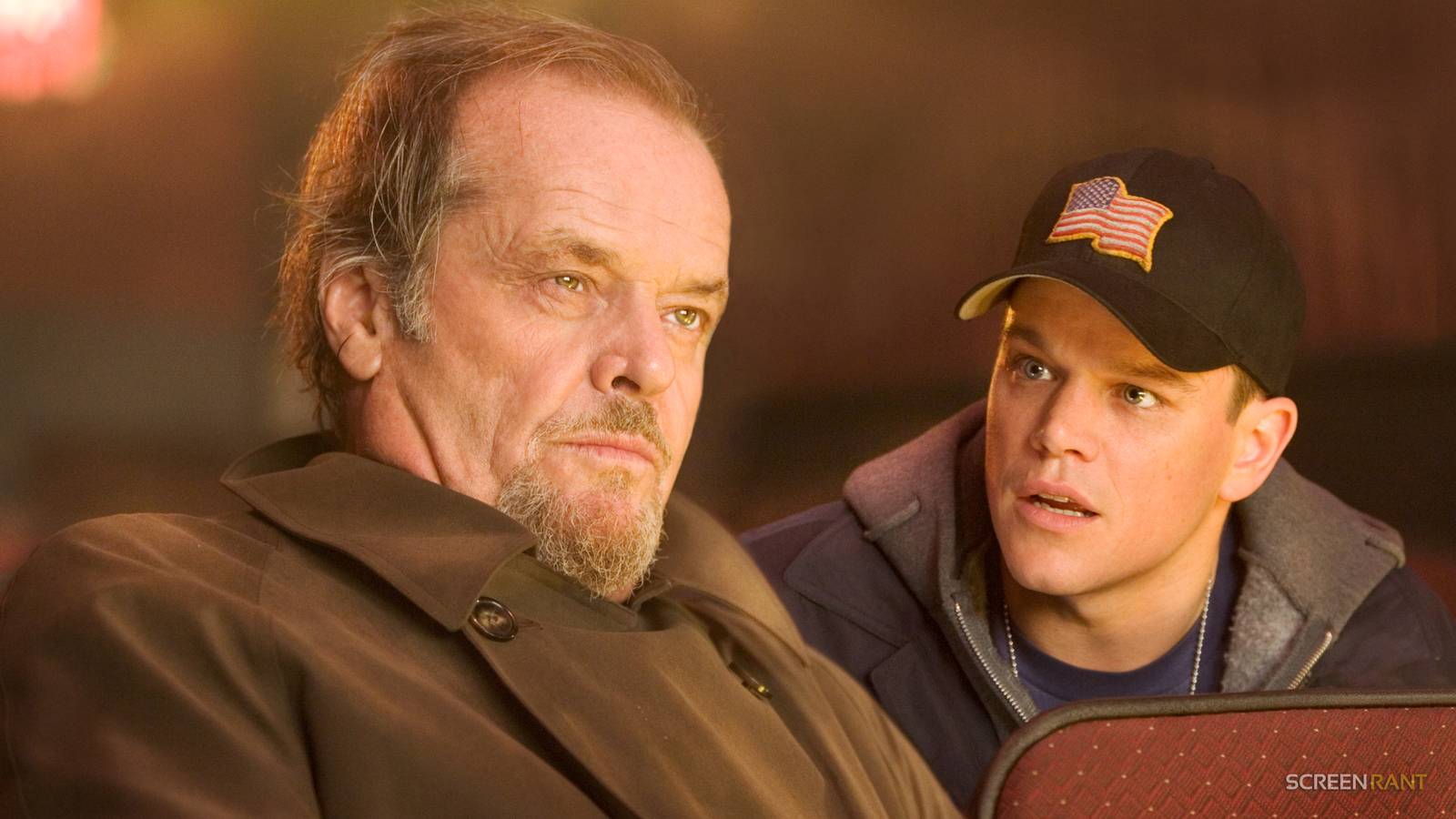
The mobster’s character stands as one of cinema’s most enduring paradoxes: a figure defined by corruption, yet extremely magnetic on screen. Gangster cinema has been a dominant force in Hollywood, captivating audiences ever since it hit the silver screen, delivering high-stakes crime thrillers that darkly reflect power, ambition, and the pursuit of the American dream. As cinema progressed from black-and-white noir to brutal realism, the anatomy of the movie mobster changed dramatically, giving rise to the complex psychological villain. From volatile loose cannons to soft-spoken puppet masters and ruthlessly efficient drug lords, these villains dominate the screen with their presence and charisma, while considerably elevating the stories they appear in. Over time, the silver screen has delivered antagonists as mesmerizing as they are dangerous, who have created iconic cinema moments, transforming gangster movies into unforgettable cultural experiences of one of America’s darkest historical eras. For the reason of quality, this piece highlights 10 gangster movie villains who stand at the very pinnacle of the genre as all-time greats. 10 Carlito’s Way - Sean Penn’s David Kleinfeld David Kleinfeld from Brian De Palma’s Carlito’s Way is the ultimate subversion of the typical crime-genre villain, giving the genre a refreshingly tragic and depressing spin. He is a sleazy, cocaine addicted lawyer who, at the beginning of the story, saves Carlito Brigante from numerous legal troubles. However, as the story progresses, he becomes a depraved, arrogant criminal. The fearlessness usually found in gangster movie villains is not present in David. Instead, what makes him so dangerous is his cowardice, greed, and delusions of grandeur. He drags everyone around him into dangerous waters because of his inability to see past himself, making him more dangerous than your average run-of-the-mill gangster. Fueled by severe drug paranoia, he steals one million dollars from an incarcerated mob boss. He orchestrates a bloody prison break betrayal, weaponizing Carlito’s rigid street code of loyalty to force the ex-convict into helping him cover up his crimes. Kleinfeld’s betrayal shatters all hopes of Carlito leading a peaceful life, cementing him as the perfect wolf in sheep’s clothing. 9 Road to Perdition - Jude Law’s Harlen Maguire A quintessential subversion of the traditional mob hitman is Harlen Maguire from Sam Mendes’ Road to Perdition. Rather than a suited-up soldier or enforcer, he appears as a crime scene photographer who moonlights as an assassin for the Depression-era Irish mob. He is an opportunist seeking to capitalize on the death of others, turning it into a lucrative artistic venture. The grotesque fusion of the two professions makes for an extremely captivating villain. He doesn’t kill targets but stages their corpses, res them on film, and sells the pictures to local tabloid newspapers. With a weak frame, thin hair, yellowing teeth, and rotten fingernails, he embodies deeply unsettling, vulture-like depravity. His primary motivation for pursuing disgraced enforcer Michael Sullivan and his young son is to gain a high-profile execution for his depraved collection of photographs. Maguire’s sociopathy and lack of human emotion make his fetishes even more disturbing, culminating in a memorable villain who steals every scene, brought to life by Jude Law. 8 Rounders - John Malkovich’s Teddy KGB John Malkovich leaves his mark in cinema history by playing Teddy KGB in Rounders, a larger-than-life force to be reckoned with that runs the underground poker circuit of New York City. Running an illegal gambling den backed by the Russian mob, Teddy takes advantage of desperate individuals, weaponizing psychological pressure and immense resources to crush the foolish and the desperate. What makes Teddy such an iconic villain is the dichotomy between his eccentricity and his deadly predatory nature. He is the ultimate loan shark, projecting an air of invincibility while stripping his victims of their life savings. He is a ruthless tyrant who sends enforcers to break the legs of those who refuse to pay up. 7 Snatch - Alan Ford’s Brick Top Guy Ritchie’s Snatch features one of the most haunting and terrifying villains in the underbelly of London: Brick Top, aka Errol Denny. Behind his thick spectacles and unassuming grandpa-like exterior is a sociopath not to be trifled with. As an illegal boxing promoter and ruthless racketeer, he tolerates neither incompetence nor disobedience, ruling his territory with an iron fist. Moreover, his ruthless efficiency in eliminating anyone who crosses him sets him apart from other villains; this is immortalized in his monologue about feeding bodies to hungry pigs. Even when angry, he remains composed, embodying cold, calculating evil that does not hesitate to kill henchmen who outlive their use or to burn down a gypsy campsite. 6 True Romance - Christopher Walken’s Vincenzo Coccotti In Tony Scott’s True Romance, Vincenzo Coccotti is an icy old-world mob authority who dominates the screen in one sequence. As Blue Lou Boyle’s enforcer, he exudes the cool confidence of a veteran lieutenant. He seems less a thug than a dangerous professional, impeccably dressed, involved in a calm, methodical routine of brutal interrogation. What cements Coccotti as an all-time great gangster villain is his standoff with Clifford Worley (Dennis Hopper). He weaponizes stillness, using a soft-spoken demeanor. He claims he can spot lies through seventeen physical tells, and when pushed, his change from polite, laughing gentleman to cold-blooded executioner is immediate and unforgettable. 5 Untouchables - Robert De Niro’s Al Capone In Brian De Palma’s 1987 classic, The Untouchables, Robert De Niro delivers a legendary performance, embodying the real-life crime lord Al Capone. With limited screen time, De Niro delivered a consistently powerful performance, ensuring his terrifying presence looms over every frame and serves as a formidable obstacle to Eliot Ness and his team. De Niro brought Al Capone’s larger-than-life presence to life, portraying a man who seemed untouchable in his time. He hired original tailors to recreate Capone’s wardrobe and even gained 30 pounds to capture Capone’s imposing figure. The result of his relentless dedication was a performance that left an unforgettable impression on viewers. Behind Al Capone’s clothes and charisma lies a sociopathic criminal capable of unimaginable violence. This is captured in the film’s iconic dinner scene: while preaching teamwork with a baseball analogy, Capone calmly takes a bat and beats a traitorous capo to death at the table. It is a masterclass in villainy, showing how absolute power breeds unchecked madness. 4 Reservoir Dogs - Michael Madsen's Mr. Blonde Original SR Image by Shawn Lealos. Vic Vega, aka Mr Blonde in Quentin Tarantino’s Reservoir Dogs, is a chilling psychopath hidden behind a gentlemanly exterior. After a four-year prison sentence for taking the fall and pressure from his mob bosses, he still projects a laid-back charm that masks an appetite for extreme, unprovoked violence. He stays eerily calm under pressure, unlike the rest of his crew. Furthermore, he has no qualms about opening fire on innocent civilians for his own convenience and satisfaction. His complete detachment from human empathy cements his status as an iconic villain in the genre; cinema’s most harrowing torture scene exemplified this. He tortured a police officer while playing pop music, seemingly finding personal amusement in human mutilation. 3 Sexy Beast - Ben Kingsley’s Don Logan One of the most terrifying sociopathic villains on the silver screen is Don Logan from Jonathan Glazer’s Sexy Beast. Don embodies pure aggression as a recruiter in the London underworld, sent to force retired safecracker Gal Dove out of retirement. He does not rely on bribery or negotiation; instead, he coerces Gal into a living nightmare. Don stands out from the average mob enforcer because he never accepts “no” for an answer. He is a master of psychological manipulation, treating every social boundary as a challenge and every interaction as a battle. His focused aggression leaves victims frozen in fear, with no way to pacify him. Ultimately, he is a perfect example of the inescapable gravitational pull of a criminal life. He is a professional, driven not by financial gain or a sense of duty, but by an obsessive, pathological need for total dominance and control. As an apex predator who sees peaceful existence as an illusion, he is a terrifying presence impossible to forget. 2 Gangs of New York - Daniel Day-Lewis’ Bill Cutting William “Bill the Butcher” Cutting from Martin Scorsese’s Gangs of New York is a terrifying window into 19th-century tribalism. He ruled Manhattan’s Five Points during the height of the American Civil War, enforcing his dominance through butchery, political coercion, and an extreme devotion to his version of American nativism. Daniel Day-Lewis delivers an Oscar-recognized performance as a mesmerizing, complex antagonist with a brutal code of honor, enacted through theatrical public executions and absolute will. Beneath his xenophobia toward Irish immigrants is respect for worthy adversaries, especially Priest Vallon, whose son Amsterdam he takes under his wing, unaware that the young man seeks vengeance. 1 The Departed - Jack Nicholson’s Frank Costello Frank Costello is a psychotic and dubious villain who serves as a major driving force in the plot of Martin Scorsese’s The Departed. He is a South Boston Irish mob boss who has ruled his criminal empire for so long that his ruthless ambition has devolved into pure, hedonistic nihilism. He is a narcissist who treats Boston as his personal playground. Costello is dangerous because years of dominance have left him apathetic, bored, and untouchable. An aging tyrant, he is driven by paranoia, violent whims, and mind games. He grooms Colin Sullivan as his mole inside the State Police while relentlessly tormenting Billy Costigan, the police officer infiltrating his gang, with constant tests and psychological games. He infuses every scene with tension through unpredictability and cunning. His loyalty lies only with himself, having worked as an FBI informant and sold out his crew for immunity. His downfall at the hands of Colin was poetic because Costello was never bound by honor or code but was a ruthless predator who treated those around him like pawns. Release Date October 6, 2006 Runtime 151 minutes Director Martin Scorsese The Departed, directed by Martin Scorsese, depicts the tense interplay between the police and the Irish Mafia in South Boston. As an undercover officer infiltrates the criminal underworld, a syndicate informant rises within the police force, culminating in a high-stakes struggle to uncover the dual moles within their ranks.
10 Best Gangster Movie Villains of All Time
Full Article
Original Source
Read the full article at Screenrant →KhanList aggregates and links to publicly available news content. We do not host full articles from third-party sources. Always verify important information with original sources.