
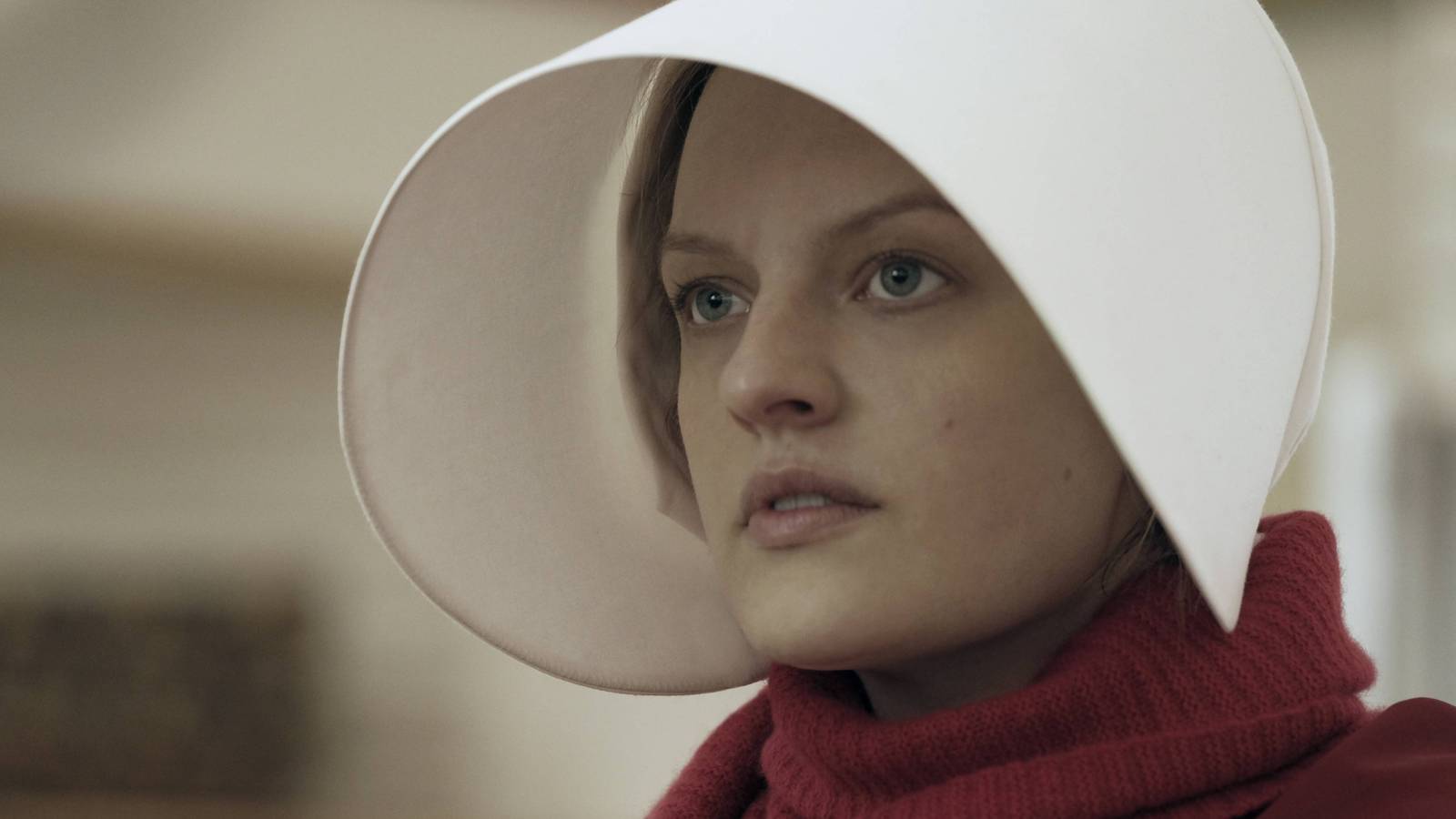
Published Oct 23, 2026, 9:16 AM EDT Abby Shewmaker is a journalist covering books, art, entertainment, and culture. She studied Communications and History at the University of California, Los Angeles (UCLA), and is a Contributing Writer at FLAUNT Magazine. Over the course of an illustrious career, an author’s name can become shorthand for a particular kind of book. Stephen King means horror; John Grisham is known for his legal thrillers; Nora Roberts is the queen of romance. Readers come to those writers for familiar pleasures: the creeping dread, the courtroom reversal, the hard-won happily ever after. But a long career can leave room for a change of pace. Some writers follow a story into a genre they’ve never tried, while others use a new setting or structure to test what their voice can do. That leap can be risky. Readers may be surprised, and a new genre brings its own rules and expectations. However, the best departures feel less like a writer abandoning what they know and more like discovering another way to use their skills honed elsewhere in their writing. A horror writer can make history feel suspenseful; a fantasy novelist can turn the publishing world into a battlefield. These ten books show what can happen when authors step outside their usual genre—and find that their strongest instincts travel with them. R.F. Kuang Swapped Epic Fantasy for Publishing Satire R.F. Kuang made her name with historically inspired fantasy, straddling high and low fantasy in The Poppy War trilogy and Babel. With Yellowface, she moved into contemporary literary satire: a struggling writer steals her dead friend’s unpublished manuscript and watches it become a publishing sensation. The book takes aim at literary ambition, cultural appropriation, and the industry’s lust for controversy. The shift worked with readers and critics. Yellowface became a bestseller and won Fiction Book of the Year at the 2024 British Book Awards. Kuang brought the high stakes of her fantasy novels into a recognizable and modern setting, where the most grueling battles play out through book deals, social media, and the court of public opinion. You can buy Yellowface here. Nora Roberts Added a Futuristic Police Force to Her Romance Nora Roberts built her career writing romance novels, and only later did she start a new sci-fi crime series under the pen name J.D. Robb. The In Death books follow New York homicide detective Eve Dallas in a future where technology has changed daily life—but murder still needs solving. The novels mix police procedural and science fiction with the relationships and romantic tension Roberts’s readers already knew her for. That combination became a durable formula. The series now spans dozens of books, and its futuristic mysteries have appeared on bestseller lists alongside Roberts’s novels. The shift gave her room to play with a new setting while keeping her gift for character-driven storytelling. You can buy the first in this series, Framed In Death, here. Kazuo Ishiguro Switched To Sci-Fi For Never Let Me Go Kazuo Ishiguro was known for restrained literary novels like The Remains of the Day when he published Never Let Me Go. The book’s quiet boarding-school setting gradually reveals a speculative premise: its students are being raised for a grim purpose tied to medical science. Never Let Me Go is a phenomenal blend of real science and delightful fiction; it was shortlisted for the Booker Prize and went on to become one of his best-known novels. Its speculative setup doesn’t crowd out the book’s concerns with memory, friendship, and mortality; it gives those themes an unsettling new frame. You can buy Never Let Me Go here. John Grisham Left The Courtroom For A Painted House John Grisham made his name with legal thrillers, but A Painted House has no lawyers at its center. Set on an Arkansas cotton farm in 1952, it’s a coming-of-age story told by seven-year-old Luke Chandler, whose family’s harvest season brings secrets, violence, and upheaval into their lives. The book was a No. 1 New York Times bestseller, showing that Grisham’s skill for creating tension could work without courtroom reversals or legal maneuvering. Instead, the suspense comes from a boy trying to understand the adults around him—and from a family whose future feels precarious. You can buy A Painted House here. Cormac McCarthy Took A Road Out Of The Old West Cormac McCarthy is a fantastic writer closely associated with stark, violent novels of the American South and Southwest, including his celebrated border trilogy. With The Road, he moved into post-apocalyptic fiction. The novel follows a father and son walking through a devastated America, trying to survive while holding on to some semblance of hope. The book’s ruined landscape was a dramatic change of scale, but McCarthy’s sparing prose and fascination with human brutality remained. The Road won the 2007 Pulitzer Prize for Fiction, proving that an end-of-the-world setting could support the same bleak moral questions that ran through his earlier work. You can buy The Road here. Stephen King Explored Time Travel And Speculative Fiction Horror is Stephen King’s signature genre, but 11/22/63 is a sweeping historical time-travel novel. Its protagonist, Jake Epping, discovers a portal to the past and sets out to prevent John F. Kennedy’s assassination. The book spends as much time with the ordinary textures of 1950s life as it spends building suspense around a world-changing event. King still brings his usual sense of dread to the story, but the central threat is history itself: the past resists being changed. The novel became a New York Times bestseller and won the Los Angeles Times Book Prize for Mystery/Thriller, showing how naturally King’s suspense could translate to another genre. You can buy 11/22/63 here. Margaret Atwood Created A Startlingly Close Dystopia Before The Handmaid’s Tale, Margaret Atwood was already an acclaimed novelist and poet. With this book, she built a speculative future in which a theocratic regime controls women’s bodies and assigns them rigid social roles. Atwood has resisted calling it science fiction, preferring “speculative fiction”—a distinction that reflects how firmly the novel is rooted in recognizable political realities. The shift worked on both literary and genre terms: the novel was shortlisted for the Booker Prize and won the first Arthur C. Clarke Award. Its imagined society felt chilling not because it was full of futuristic gadgets, but because its dangers were assembled from things that already existed. You can buy The Handmaid's Tale here. Michael Chabon Turned Alternate History Into A Whodunit Michael Chabon’s early novels established him as a literary writer interested in family, identity, and growing up. Then came The Yiddish Policemen’s Union, an alternate-history detective novel set in a fictional Jewish district in Alaska. Homicide detective Meyer Landsman investigates a murder as the district faces a political upheaval. The book is both a noir mystery and a speculative thought experiment, using its invented world to explore exile, belonging, and Jewish history. It reached the New York Times bestseller list and won both the Hugo and Nebula Awards for Best Novel—a rare crossover triumph for a literary novelist writing science fiction. You can buy The Yiddish Policemen's Union here. Martha Wells Moved From Fantasy Worlds to Murderbot’s Outer Space Martha Wells had written fantasy for years before launching The Murderbot Diaries, a science-fiction series about a security android that has hacked its governor module and would rather watch television than deal with people. The change of setting—from invented kingdoms to corporate space missions—gave Wells a new playground for her interest in outsiders, power, and uneasy alliances. Murderbot’s dry voice helped make the series a breakout. The novellas and novels have won multiple major science-fiction awards, including Hugo and Nebula honors, and the series itself won the Hugo for Best Series. You can buy The Murderbot Diaries Vol. 1 here. J.K. Rowling Traded Wizardry For Detective Work After the Harry Potter books, J.K. Rowling began writing a crime series under the name Robert Galbraith. The first novel, The Cuckoo’s Calling, follows private investigator Cormoran Strike as he investigates a model’s death. It’s a long way from Hogwarts: no magic, just a complicated case set in London, and a detective whose personal life keeps intruding on his work. The pseudonym let Rowling distinguish the series from her fantasy writing and give readers a clear idea of what to expect. The first Strike novel became an international bestseller, and the series has continued to grow. You can buy The Cuckoo's Calling here.
10 Authors Whose Huge Hits Changed Genres Completely
Full Article
Original Source
Read the full article at Screenrant →KhanList aggregates and links to publicly available news content. We do not host full articles from third-party sources. Always verify important information with original sources.