
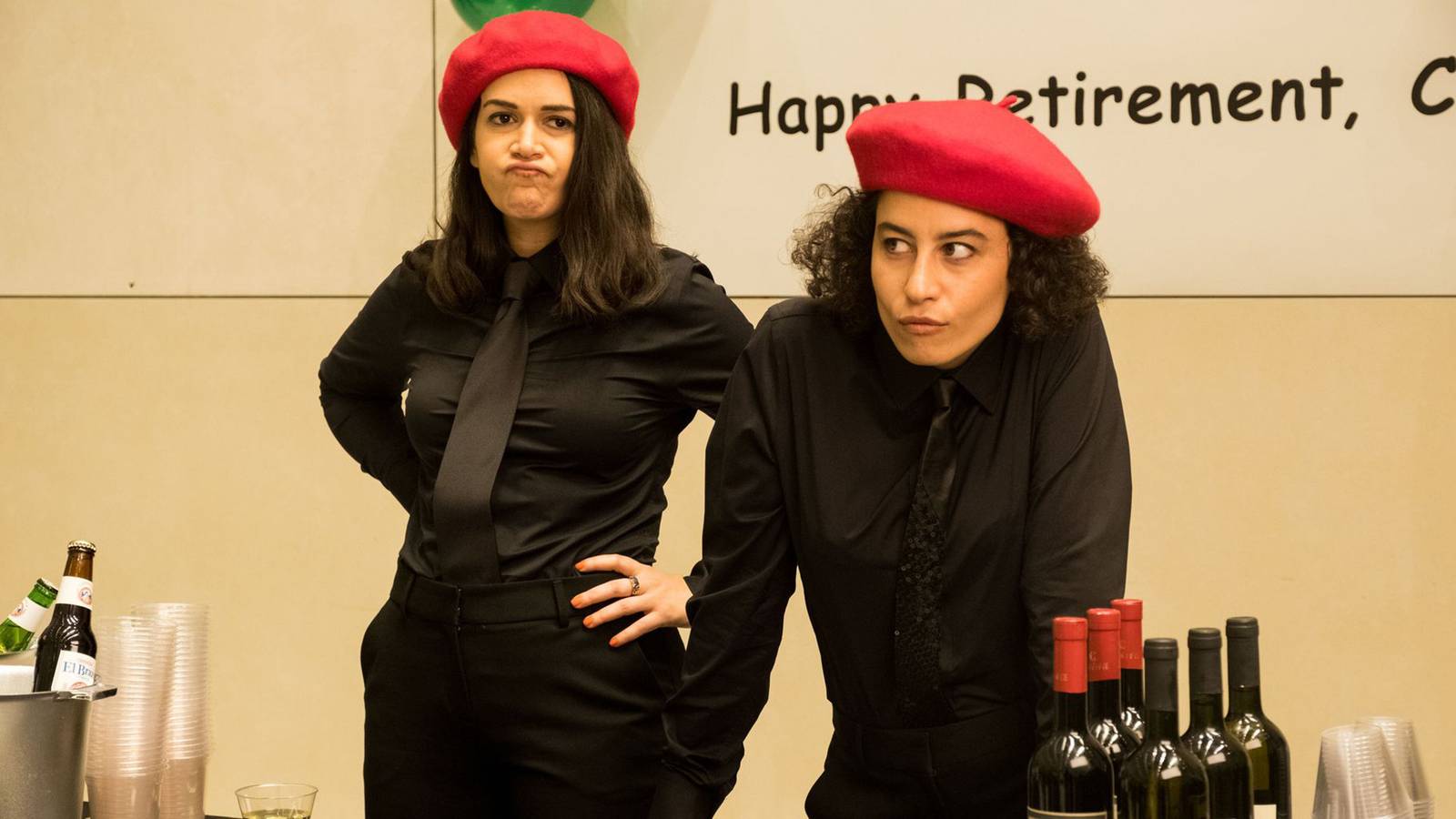
The 2010s were a transformative decade for sitcoms, as traditional network comedies competed with increasingly experimental shows on cable and streaming. While the biggest sitcoms of the 2010s, like Modern Family, The Big Bang Theory, and New Girl, dominated the cultural conversation, the decade also produced some of television's most inventive and unconventional comedies. As sitcoms evolved beyond the traditional multicamera format, creators embraced high-concept premises, serialized storytelling, and increasingly absurdist humor. From political satires to supernatural mysteries and unconventional family dynamics, even the more underrated sitcoms of the 2010s expanded whatcomedy could look like. However, not every great sitcom was appreciated during its original run. Some TV shows were canceled prematurely, while others struggled to find an audience or were simply overshadowed by more recognizable hits. More than a decade later, hindsight has revealed just how clever, influential, and ahead of their time many of these overlooked comedies actually were. Of course, aging well doesn't necessarily mean being timeless. Some sitcoms have only become funnier as reality catches up with their most outrageous satire, while others have grown more endearing as nostalgic snapshots of a particular cultural moment. Meanwhile, the influence of once-niche comedies can be seen in some of today's biggest television hits. Whether they were misunderstood during their original runs, anticipated the future of comedy, or simply remain as hilarious as ever, like a fine wine, some of the best comedy gets even better with time to breathe. Broad City 2014-2019 MovieStillsDB Broad City captured the exuberance, chaos, and unapologetic hedonism of millennial life as a young, broke person in NYC. The Comedy Central sitcom was edgy at the time but has aged well, from embracing recreational marijuana before New York legalized it to celebrating the city's multicultural identity through its diverse supporting characters and neighborhoods. Broad City satirized the economic realities and professional frustrations of millennials without dampening its characters' enthusiasm for life. Even its unconventional finale resisted the temptation to give its heroines a traditional happily-ever-after. Instead, Broad City recognized that growing up sometimes means growing apart geographically without sacrificing the friendships that define us. Although Broad City is unmistakably a product of 2010s millennial culture, its infectious optimism, irreverent humor, and celebration of female friendship have only grown more appealing with time. Its influence lives on in Hacks, whose three creators, Lucia Aniello, Paul W. Downs, and Jen Statsky, previously collaborated on Broad City. Happy Endings 2011-2013 MovieStillsDB Countless sitcoms have tried to be the next Friends, but Happy Endings was one of the best, if most underrated. Following six friends navigating relationships and careers in Chicago, the ABC sitcom distinguished itself with rapid-fire dialogue, absurdist humor, and extraordinary ensemble chemistry. Like Modern Family, Happy Endings succeeded in creating memorable characters by putting unexpected twists on familiar sitcom stereotypes. Despite lasting only three seasons, Happy Endings has become a cult classic, with its cancellation feeling increasingly premature. Its talented ensemble has continued to thrive in television and comedy, including Eliza Coupe, Adam Pally, Damon Wayans Jr., and Casey Wilson. More than a decade later, Happy Endings remains one of the most underrated ensemble comedies of the 2010s. Paquita Salas 2016-2019 Spanish mockumentary Paquita Salas offered a hilariously biting satire of the entertainment industry. Created by Javier Ambrossi and Javier Calvo, the series follows a washed-up talent agent, Paquita, played by Brays Efe, as she desperately tries to keep her agency afloat while the industry evolves without her. From Paquita's obsession with outdated celebrity culture to her disastrous attempts to embrace social media, the comedy captures the absurdity of an industry perpetually chasing the next big thing. What makes Paquita Salas even more relevant today is its portrayal of an aging industry veteran struggling to adapt to technological disruption and changing standards of celebrity. Its affectionate treatment of Paquita's failures, combined with sharp critiques of show business, gives the series an enduring appeal that transcends its distinctly Spanish cultural references. What once seemed like a comical generational divide has become increasingly prescient as social media's influence has proven far more pervasive and destructive than anyone could have imagined. Gravity Falls 2012-2016 MovieStillsDB Gravity Falls was ahead of its time, proving that children's animation could deliver sophisticated serialized storytelling without sacrificing its youthful appeal. Following twins Dipper and Mabel Pines as they investigate supernatural mysteries in a small Oregon town, the Disney Channel series rewarded attentive viewers with hidden codes, cryptic messages, and elaborate foreshadowing. The Gravity Falls’ revelation transformed seemingly throwaway jokes into clues, making the series even more rewarding on repeat viewings. The definitive ending to Gravity Falls after just two seasons also avoided the creative decline that plagues many long-running cartoons. More than a decade later, its combination of intricate mythology, absurdist humor, and emotional storytelling remains remarkably fresh. Detectorists 2014-2017 Image via Everett Collection While British comedy has often relied on cringe humor, Detectorists distinguished itself with a gentler, more affectionate approach to its eccentric characters. Created by and starring Mackenzie Crook, the BBC sitcom follows Andy (Crook) and Lance (Toby Jones), two amateur metal detectorists searching for buried treasure in the English countryside. Rather than mocking their seemingly mundane hobby, Detectorists finds humor and beauty in their quiet enthusiasm, from their petty rivalries with a competing detecting club to their endless conversations about everything and nothing. In an era increasingly dominated by cynical satire and uncomfortable comedy, Detectorists has only grown more refreshing for its sincerity and understated humor. Its pastoral landscapes, leisurely pacing, and celebration of friendship offer an escape from the anxieties of modern life without ignoring its characters' everyday struggles. For Andy and Lance, the real reward was never the gold they hoped to unearth, but the sense of purpose and belonging they found in the search itself. Trophy Wife 2013-2014 Trophy Wife was one of the most underrated sitcoms of the 2010s. Starring Malin Åkerman as Kate, a young party girl who marries an older man, the ABC comedy cleverly subverted the very stereotype its poorly named title invoked. Rather than portraying Kate as a shallow gold digger, Trophy Wife made her a well-meaning, occasionally overwhelmed stepmother navigating an unconventional blended family. Unfortunately, the show's tongue-in-cheek premise was easy to mistake for the tired sitcom clichés Trophy Wife was actually satirizing, so it struggled to find an audience. However, the series has since earned a devoted cult following, with viewers rediscovering its surprisingly progressive depiction of co-parenting. What initially appeared to be formulaic was actually a clever inversion of the genre's most familiar tropes and one of TV's most underrated family sitcoms. Veep 2012-2019 Image via MovieStillsDB The worst thing anyone can say about Veep is that its political satire became less outrageous as real-world politics grew increasingly absurd. Starring Julia Louis-Dreyfus as the ambitious, incompetent, and spectacularly foul-mouthed Selina Meyer, the HBO comedy skewered Washington's political establishment with ruthless precision. From Selina accidentally declaring her support for a free Tibet to Jonah Ryan's improbable ascent from universally despised White House staffer to vice president, Veep turned political incompetence into an art form. In retrospect, some of the show's most ridiculous storylines feel uncomfortably plausible, making Veep almost difficult to revisit because it feels so timely. However, the blistering dialogue, inventive insults, and extraordinary ensemble cast of Veep remain as hilarious as ever. Whether it's Selina's staff scrambling to decipher her cryptic instructions or Roger Furlong unleashing another creatively obscene tirade against Will, Veep proves that political dysfunction can still be a tremendous source of comedy. Silicon Valley 2014-2019 Image via Everett Collection Like Veep, Silicon Valley was supposed to be a biting satire, but reality has increasingly outpaced its most absurd storylines. Created by Mike Judge, the HBO comedy followed Richard Hendricks (Thomas Middleditch) and his fellow programmers as they attempted to transform their revolutionary compression algorithm into a successful tech company. Silicon Valley mercilessly mocked the tech industry's inflated egos and obsession with innovation, never in a more genius yet juvenile way than the “mean jerk time” bit in the season 1 penultimate episode. Less than a decade after the Silicon Valley finale, the rise of artificial intelligence, eccentric tech billionaires, and Silicon Valley's growing political influence have made the show's satire seem almost restrained. However, its exceptional ensemble, including Zach Woods, Kumail Nanjiani, and Martin Starr remains endlessly entertaining. Even as the real tech industry grows stranger, Silicon Valley's razor-sharp writing and spectacularly dysfunctional characters have lost none of their comedic appeal, making it one of HBO's TV shows that have aged like fine wine. Detroiters 2017-2018 Before Tim Robinson became a cult comedy phenomenon with I Think You Should Leave, he co-created and starred alongside Sam Richardson in Detroiters, one of Comedy Central's most underrated sitcoms. Following two best friends running a small advertising agency in Detroit, the series combined absurdist humor with genuine affection for its characters and hometown. From their hilariously low-budget local commercials to their bizarre encounters with Detroit business owners, Detroiters embraced a distinctly Midwestern brand of comedy. Detroiters' cancellation after just two seasons feels increasingly premature given its stars' subsequent success. Richardson has become a reliable comedic standout in projects like Veep and Ted Lasso, while Robinson has achieved the seemingly impossible: making deeply uncomfortable, surrealist comedy wildly popular. Alongside Nathan Fielder, Robinson has helped bring an increasingly experimental brand of humor into the mainstream, making Detroiters feel like an early glimpse of comedy's future. The Last Man on Earth 2015-2018 Few sitcoms have aged as eerily well as The Last Man on Earth. Premiering in 2015, the Fox comedy opens on a desolate landscape outside Tucson, Arizona, with the title cards "The Year 2020" and "One Year After the Virus." Watching this opening after the COVID-19 pandemic is downright chilling. However, once rewatchers get past its freakish prescience, The Last Man on Earth is a delightfully oddball comedy about finding companionship at the end of the world. Will Forte stars as Phil Miller, a selfish, socially inept survivor whose excitement at having the world to himself quickly gives way to crushing loneliness. Between Phil's increasingly ridiculous antics and the unlikely community of survivors he eventually gathers, the series finds surprising warmth and humanity amid the apocalypse. With a stellar supporting cast, including Kristen Schaal, January Jones, and Mary Steenburgen, The Last Man on Earth finds humor inwishing you were the last person on Earth.
10 2010s Sitcoms That Have Aged Like Fine Wine
Full Article
Original Source
Read the full article at Screenrant →KhanList aggregates and links to publicly available news content. We do not host full articles from third-party sources. Always verify important information with original sources.