
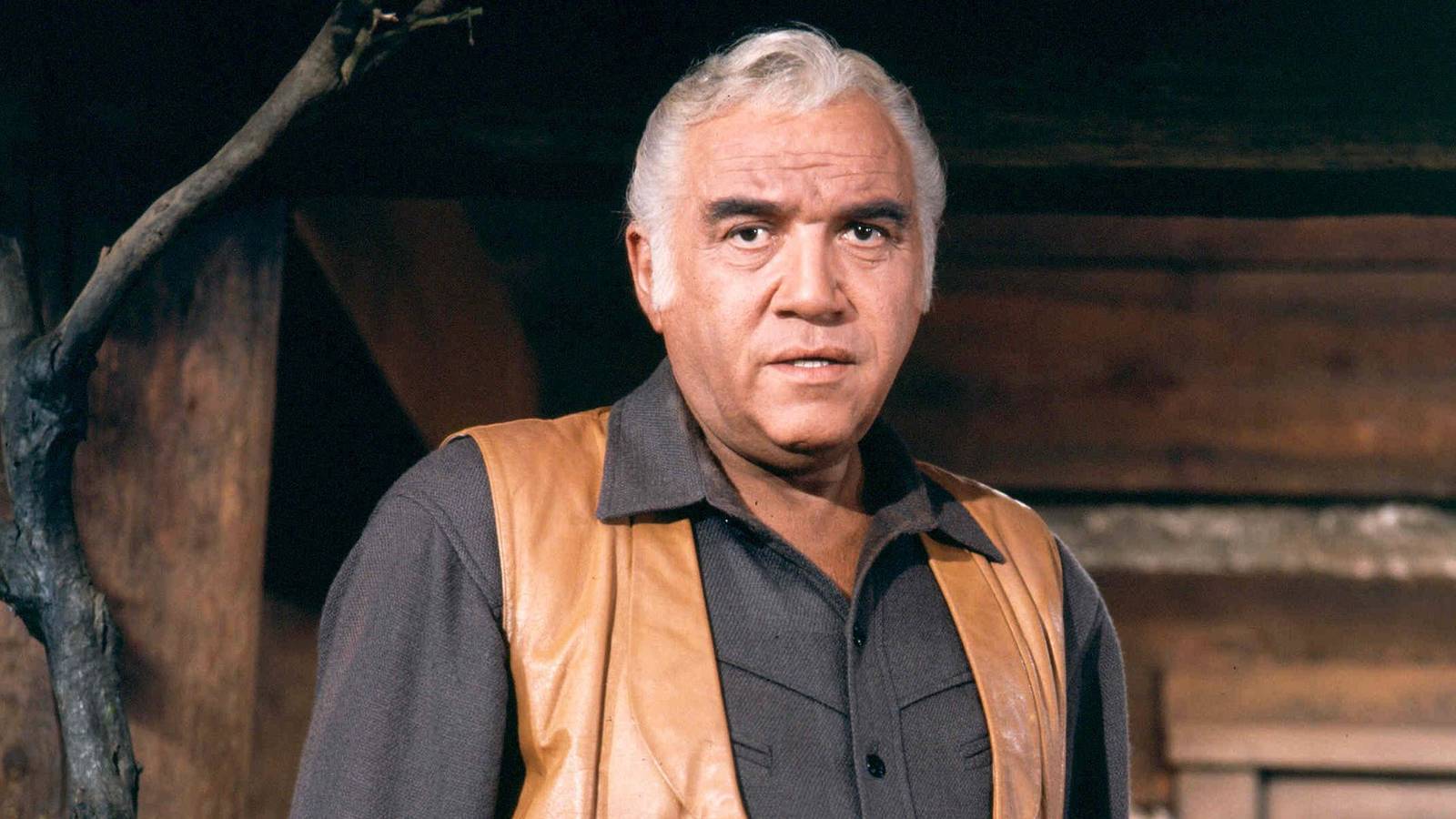
Published Sep 4, 2026, 3:30 PM EDT Zach Moser has been writing for ScreenRant since 2022, covering movies, classic TV, and streaming TV. His areas of expertise cover a wide range of genres with a particular interest in horror and drama, and the conversations around the TV and film industry. When he's not covering the latest film releases or chronicling the latest season of a new show, he's writing humor pieces for McSweeney's Internet Tendency, Slackjaw, and Points In Case or working on short stories and his second novel. The 1960s offer some classic TV shows that are still essential viewing over 60 years later. Television began changing in the '50s, but it was the '60s when it began to take on a shape that we would recognize even decades later. In 1950, only 9% of American households had TVs. By 1959, that number had climbed to 85.9% (via Britannica). TV went from being a niche product that brought some live news and programs to primarily upper-class households able to afford the sets, to a widely consumed product, and networks jumped at the chance to reach more viewers. The result is some truly groundbreaking TV shows, many of which have aged poorly but some of which are essential viewing even today. Bonanza (1959-1973) Credit: MovieStillsDB Bonanza is often ranked among the best Western TV shows of all time and for good reason. The series ran for 14 seasons, making it the second-longest-running American network Western ever, only behind Gunsmoke. Set near Lake Tahoe in the 1860s, Bonanza follows the exploits of the Cartwright family. Ben Cartwright (Lorne Greene) is a three-time widower who lives on a ranch with his three sons from all three wives. The discovery of gold on their land earns the family immense wealth, but the problems the Cartwrights have to deal with on a weekly basis are typical of any American family. The show was unafraid to take on contemporary social issues of the time, unusual for TV in the early '60s. The Andy Griffith Show (1960-1968) Credit: MovieStillsDB The Andy Griffith Show has not fallen out of popular culture thanks to one of its main characters, Opie Anthony, being played by a very young Ron Howard, director of Apollo 13 and Solo: A Star Wars Story. The series stars Andy Griffith as Andy Taylor, the widowed sheriff of a small North Carolina town. Now a nostalgic show for many, The Andy Griffith Show was attempting to recreate the sensibilities of the '30s, meaning the show was built on nostalgia (via GhostArchive). It's a time capsule in that way. The series was a consistent ratings leader, and references to the show are constantly being made many years later. My Three Sons (1960-1972) Credit: Everett Collection In My Three Sons, Fred MacMurray plays Steven Douglas, a widowed aeronautical engineer (we're three for three on widower protagonists on this list for those counting) trying to raise his three sons as best he can. We watched the Douglas family grow over 12 seasons, with many major life events, like weddings, drastically affecting the cast. The problems in My Three Sons were always contemporary, frequently reflecting what was happening in the real world. It never offered anything that another show didn't, but it was a solid, consistent series that makes for a gratifying binge as you observe the actual 1960s through the series. Walt Disney's Wonderful World Of Color (1961-1969) Credit: Roku Walt Disney's Wonderful World of Color is unlike any show you'll find on TV now. It was unlike any show you would find on TV in the 1960s. This was an era of creative exploration for Disney, and with the advent of color TV, The Walt Disney Company dived right in with its long-running anthology series. The show had many iterations over the years, but in 1961, Walt Disney's Wonderful World of Color debuted. It was essentially an extended ad for the Disney parks, with colorful scenes of Disneyland, with animations and Disney movies playing in between, all in brilliant color. The show lives on as "World of Color", an ongoing nighttime show at Disney California Adventure. The Lucy Show (1962-1968) Credit: MovieStillsDB Lucille Ball's follow-up to I Love Lucy had no right being as good as it was. Ball had already earned her place on television with that 1950s show, but clearly she wasn't done working. After her divorce from Desi Arnaz, Ball went on to create a series just for herself, though Arnaz served as executive producer. The Lucy Show follows Lucy Carmichael (Ball), a widowed mother living in Danfield, NY, whose late husband left her a large trust, allowing her to fund several wacky hijinks. In season 4, the series pivoted hard, with Lucy moving to California to be closer to her son Chris, resulting in the change of almost the entire cast. The Beverly Hillbillies (1962-1971) Credit: MovieStillsDb The Beverly Hillbillies follows the Clampett family, a family of poor backwoods folks from the Ozarks who strike oil on their land. With their newfound wealth, the Clampetts pack up and move to Beverly Hills, California, where their unsophisticated, frugal style of living clashes with the culture they find there. The Beverly Hillbillies is like the quintessential sitcom, beginning with its absurd premise. This is a series that chooses a laugh over everything. Drama, logic, and character growth always make way for a double entendre or hilarious misunderstanding. Comedy doesn't always age well, but there's so much of it in The Beverly Hillbillies, you'll always find something to like. The Virginian (1962-1971) The Virginian sometimes gets forgotten about when we think of the great Western TV shows, perhaps because the final seasons of the show saw it renamed as The Men from Shiloh, likely causing some confusion. James Drury stars as the unnamed "Virginian", the foreman of Shiloh Ranch in what would become Wyoming in the late 19th century. The Virginian wants to live a quiet life on the ranch and do his job, but he constantly runs into issues and bad actors throughout the show, forcing him to take action. Each episode of the series is 90 minutes, making the episodes feel like mini-movies with a sense of importance not every show at the time had. Bewitched (1964-1972) Credit: MovieStillsDB Bewitched was a fantasy sitcom starring Elizabeth Montgomery as Samantha, a witch who meets and falls in love with a mortal man, Darrin Stephens (Dick York, replaced by Dick Sargent). Though Darrin wants Samantha to be a normal housewife, she can't stop herself from using her powers now and then. While also being a very funny and creative network sitcom, Bewitched is also a critical entry in the legacy of feminism on TV. Unlike other female figures on TV at the time, Samantha and her mother, Endora (Agnes Moorehead), take action in their lives. They are aggressive and do what they want. The magic is a representation of the power the women in the show could wield. Green Acres (1965-1971) Green Acres follows Oliver Wendell Douglas (Eddie Albert) and Lisa Douglas (Eva Gabor), a married couple who have recently moved to the rural town of Hooterville. A prominent and wealthy NYC attorney, Oliver has forgone his old life to pursue his dream of becoming a farmer, much to his glamorous wife's dismay. The series, which opens with a mockumentary-style episode where an ABC newscaster investigates why Oliver has moved, is filled with absurd and surreal moments. The show frequently breaks the fourth wall, and running and visual gags purposefully break the immersion, making for one of the most unique shows of the decade. Hogan's Heroes (1965-1971) Credit: MovieStillsDB Hogan's Heroes is set in a prisoner-of-war camp in Nazi Germany, and focuses on the Allied prisoners who use the camp to stage sabotage and secret-stealing missions from behind German lines. Colonel Robert Hogan (Bob Crane) leads a team of soldiers who remain in the camp in order to help the other soldiers who do end up there. The soldiers trick, bribe, and coerce the bumbling Nazi guards every episode, while maintaining the facade that the camp is effective and operational in order to avoid inquiry. It's a very funny and well-choreographed TV show, with an odd-ball premise that makes it a perfect fit for the 1960s.
10 1960s TV Shows That Are Still Essential Viewing Today
Full Article
Original Source
Read the full article at Screenrant →KhanList aggregates and links to publicly available news content. We do not host full articles from third-party sources. Always verify important information with original sources.